What's Actually in a 4-Point Inspection?
If you a home in Florida, or you're buying or insuring one, you've probably run into the term "4-point inspection" from your insurance agent. Most people have no idea what it actually covers until they're asked to get one.
A 4-point inspection is narrower than a full home inspection, and usually faster and cheaper. But insurance companies rely heavily on these reports to decide whether to write or renew a policy, so it's worth knowing exactly what gets inspected, why, and what tends to get flagged.
Below is a breakdown of all four systems, plus what happens after the report is submitted.
Why Insurers Require This
A 4-point inspection covers the roof, electrical, plumbing, and HVAC systems because those four are responsible for the large majority of homeowner insurance claims — fires, water damage, and structural failures. Instead of inspecting the entire home, insurers focus on the systems most likely to cause a costly claim.
4-point inspections are typically required for:
New insurance policies
Policy renewals when a carrier wants updated information
Homes that have had prior claims or coverage lapses
Unlike a full home inspection, which can run 40+ pages and cover everything from grading to appliances, a 4-point inspection report is short — usually a handful of pages — and answers one question for the insurance company: is this system safe, functional, and not at high risk of a near-term claim?
1. Roof
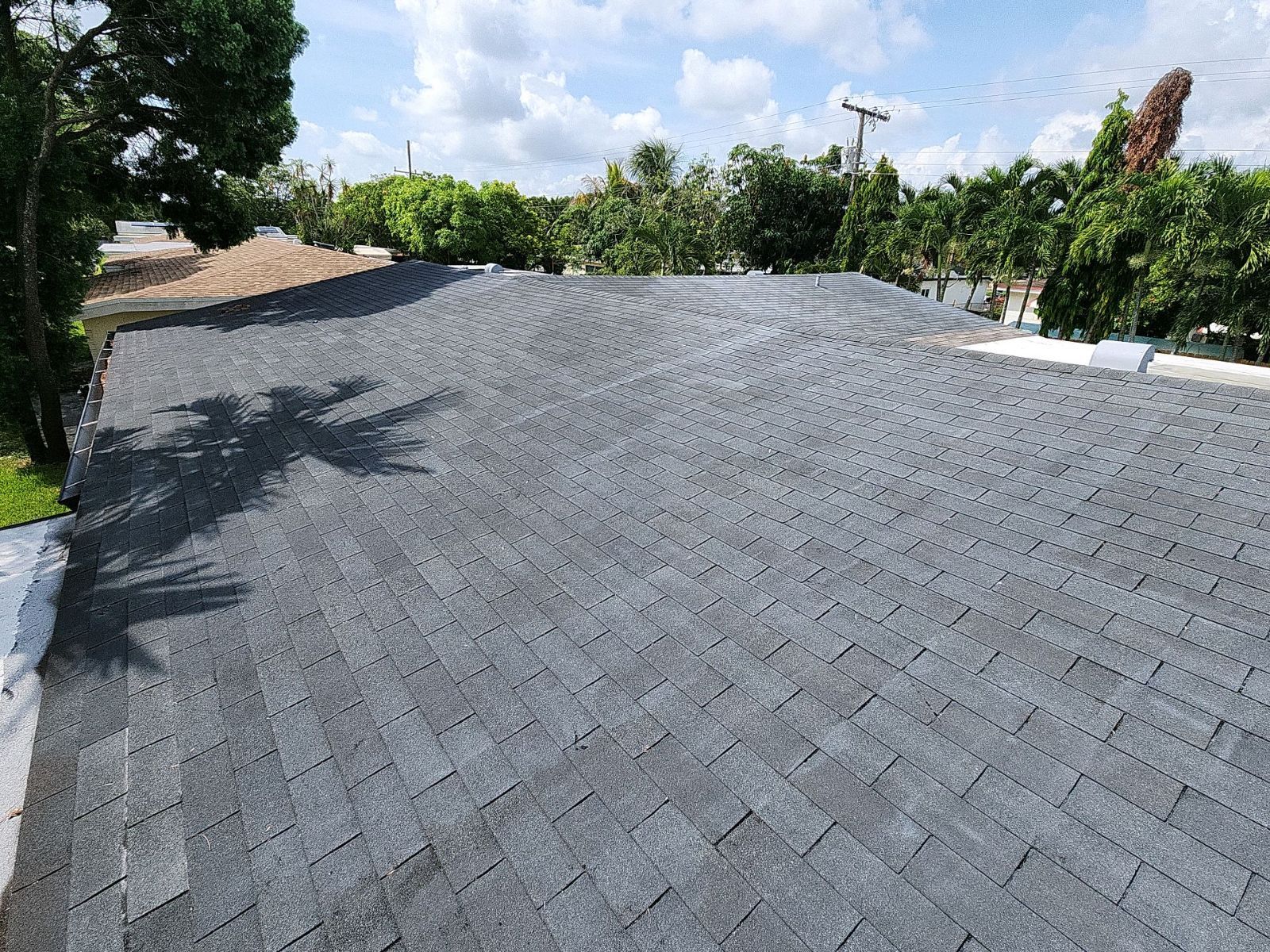
This is usually the section that gets the most scrutiny, especially in South Florida where wind, sun, and afternoon storms wear down roofing materials faster than in most other parts of the country.
What I'm documenting:
Roof covering type — shingle (architectural or 3-tab), tile, metal, flat/built-up, or modified bitumen
Approximate age of the roof — from permit records when available, or estimated from wear patterns, material style, and condition if no permit is on file
Remaining useful life — insurers want to know not just how old the roof is, but roughly how many years of serviceable life are left
General condition — cracked, curling, or missing shingles; broken, slipped, or displaced tiles; rust, ponding water, or membrane separation on flat roofs
Evidence of prior repairs or patch work, and whether that work looks proper or improvised
Flashing condition around penetrations (flashings around plumbing stacks, vents, or metal flues).
A roof doesn't need to be new to pass — it needs to be healthy, weathertight, and free of obvious deferred maintenance. Most carriers start asking questions once a shingle roof passes the 15–20 year mark without documentation, and that age threshold is usually the real reason the inspection got ordered in the first place.
2. Electrical System
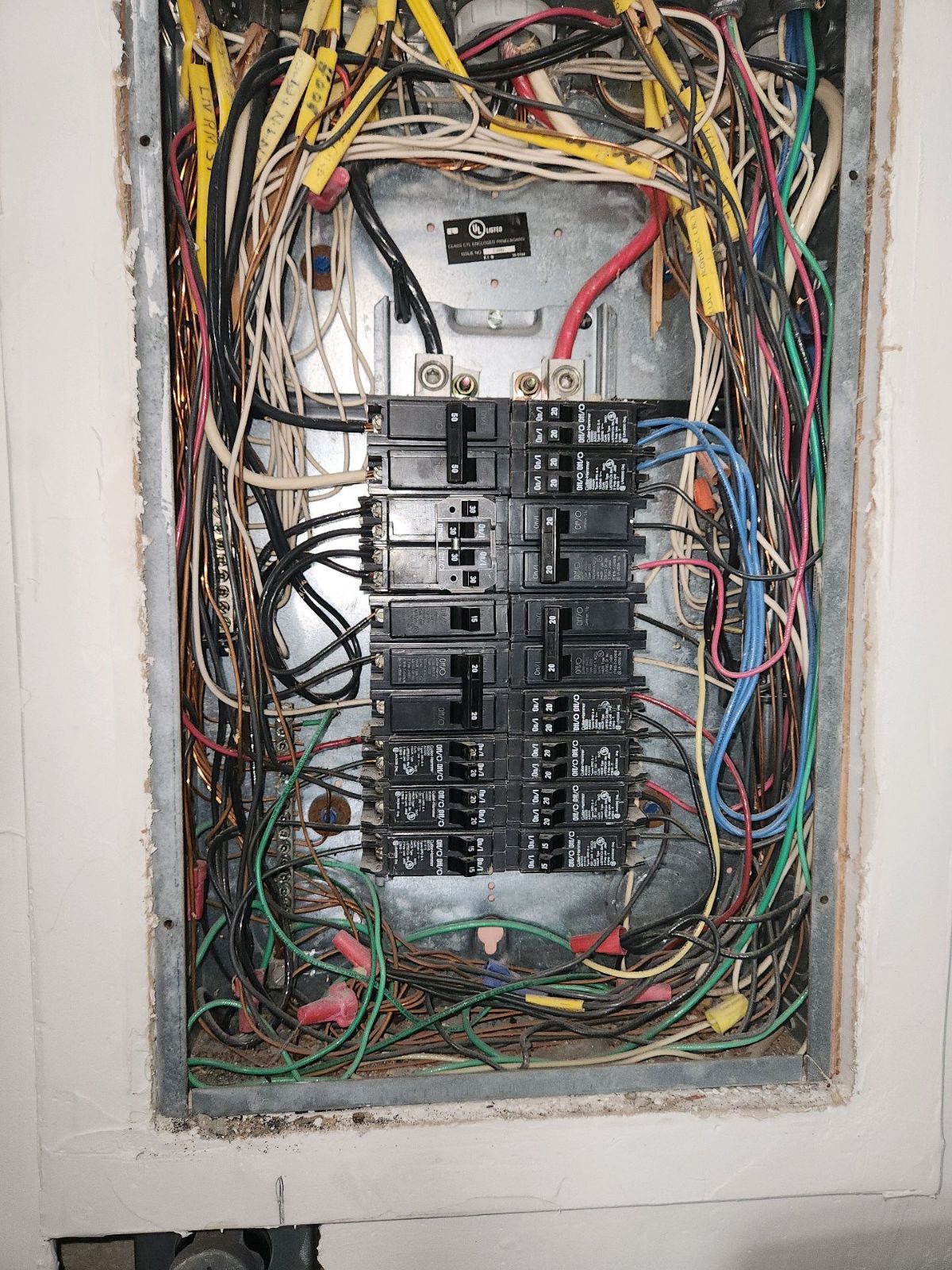
This section is focused on fire risk, and it's usually where older homes get flagged the hardest.
What I'm documenting:
Panel manufacturer and type — this matters a lot, because certain panel brands (Federal Pacific/FPE Stab-Lok and Zinsco are the two most common ones insurers red-flag) have a well-documented history of breakers failing to trip during overloads, and many carriers won't insure a home with one installed
Panel amperage and condition — whether it's appropriately sized for the home, and whether there's any sign of scorching, rust, or overheating inside the panel
Wiring type — copper, aluminum branch wiring, or knob-and-tube. Aluminum branch circuit wiring (common in homes built in the 1960s–70s) and knob-and-tube wiring are both major insurance concerns due to overheating risk at connection points
Presence of double-tapped breakers or other improper panel modifications
GFCI and AFCI protection in areas where it's expected — kitchens, bathrooms, garages, and exterior outlets
Visible wiring in the attic, garage, and accessible areas — checking for exposed splices, missing junction box covers, or unprofessional DIY work
Grounding and bonding, where visible
3. Plumbing System
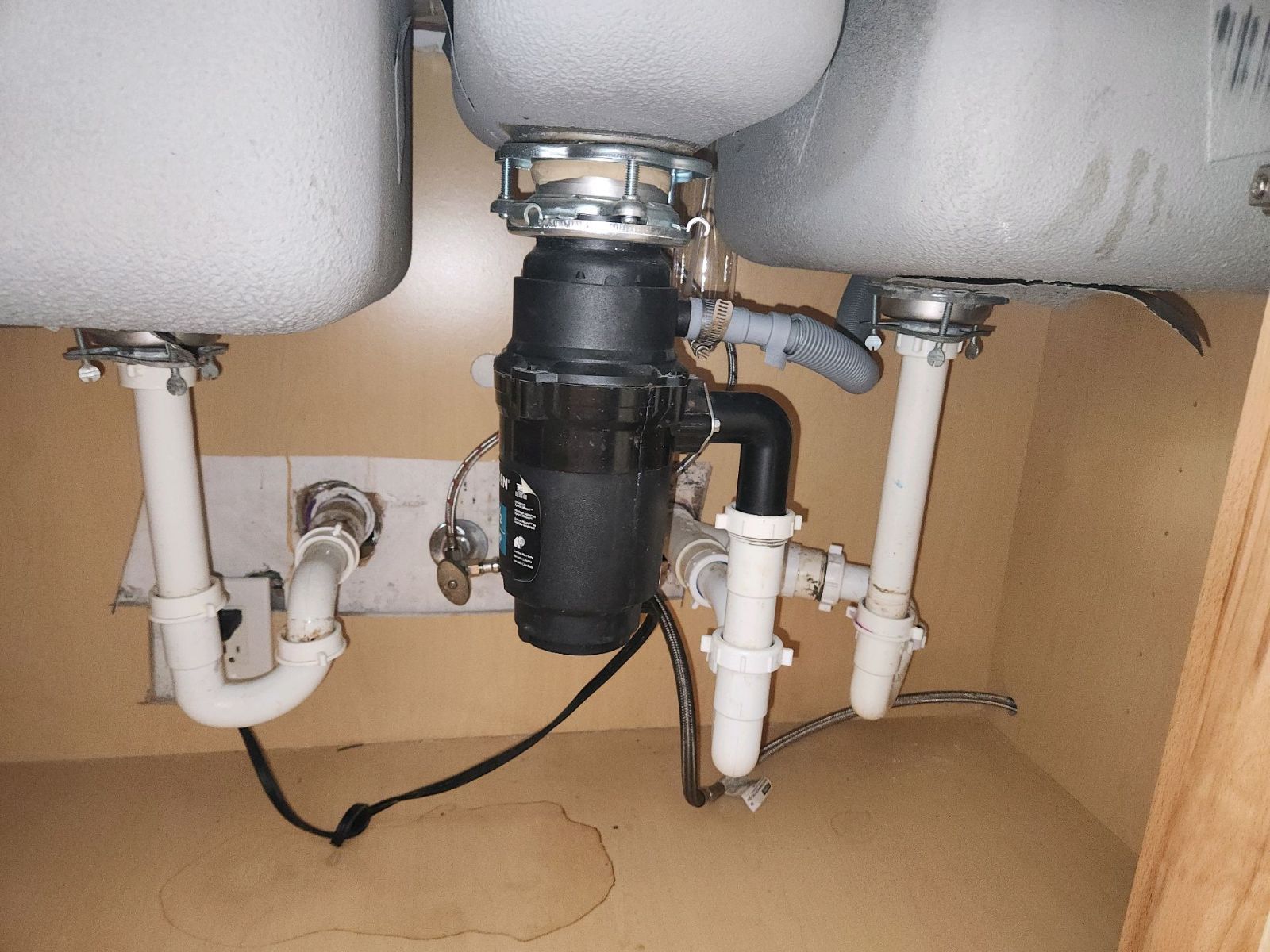
Water damage claims cost insurers a lot of money, so this section carries real weight too.
What I'm documenting:
Supply pipe material — copper, CPVC, PEX, or polybutylene. Polybutylene piping (installed roughly 1978–1995) is a major red flag for insurers due to its history of failure at fittings, and many carriers won't write a policy with it present
Galvanized steel supply piping, common in homes built before the 1960s, which corrodes from the inside out and eventually restricts flow or leaks
Drain, waste, and vent (DWV) material and condition
Visible leaks under sinks, around toilets, at water heater connections, and anywhere else accessible
Water heater age, condition, and safety features — proper temperature/pressure relief valve with a discharge pipe routed correctly, no rust or active leaking, and appropriate strapping where required
Signs of previous leaks — staining, corrosion at fittings, or water damage in cabinets and ceilings below plumbing runs
Like the electrical section, plumbing findings often come down to pipe material and age rather than an active problem. A home with polybutylene or galvanized supply lines can look completely fine and still carry real risk underneath.
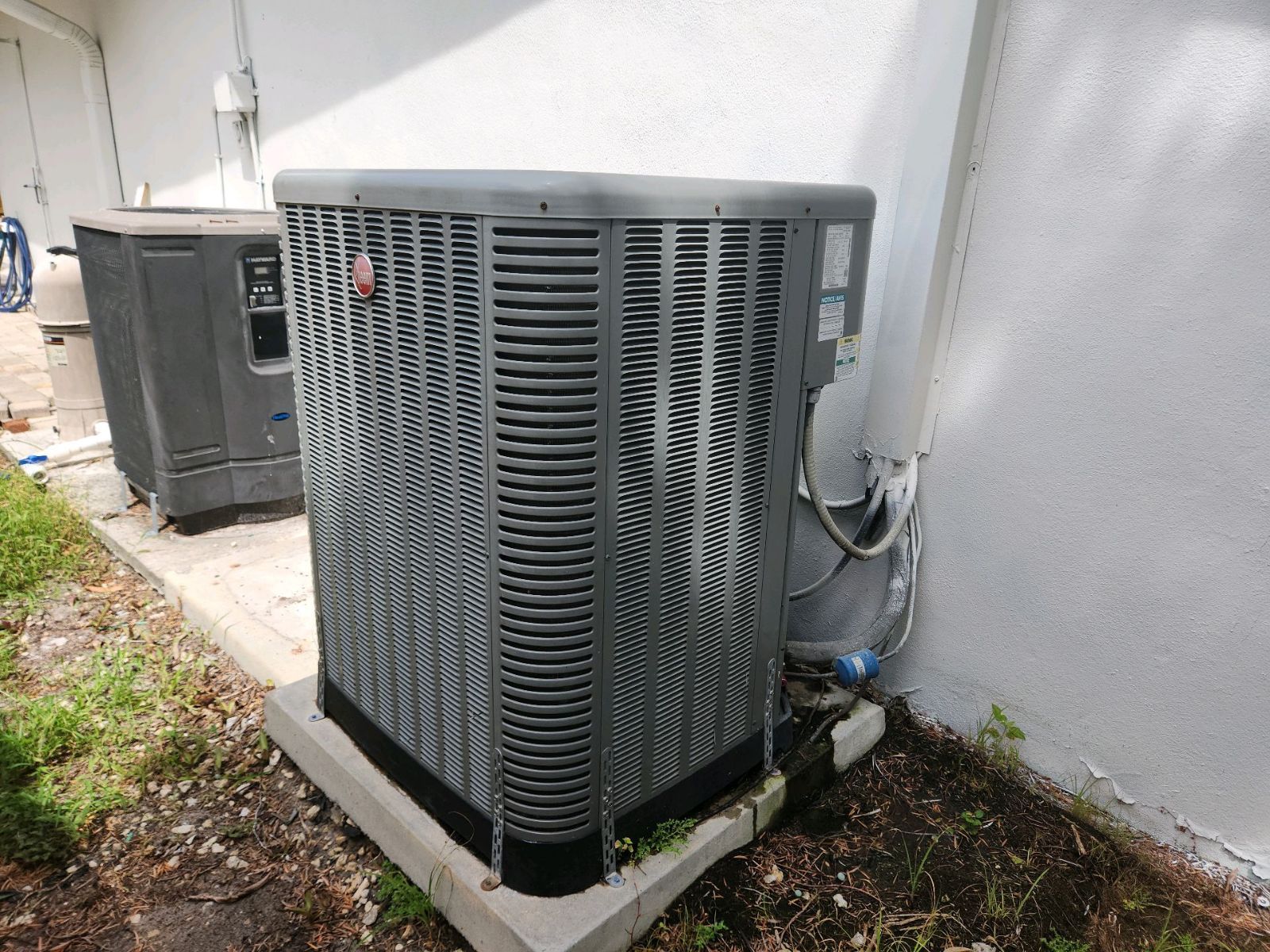
4. HVAC (Heating, Ventilation, and Air Conditioning)
This is generally the least eventful of the four sections, but it still gets covered in full.
What I'm documenting:
Type of system — central air, package unit, mini-splits, etc.
Approximate age of the unit(s), from the data plate when accessible
General operating condition — does it power on, does it produce appropriately cooled air, are there obvious signs of neglect
Visible condition of the condenser, air handler - and ductwork where accessible
Signs of water damage or improper condensate drainage near the air handler, which is a very common source of hidden water damage in Florida homes.
General safety issues, such as exposed wiring at the unit or improper electrical connections
Insurers rarely deny coverage over HVAC alone, but a non-functioning or clearly neglected system will still get flagged in the report.
What Happens After the Inspection
You'll typically get the report within 24 hours, with photos backing up each finding across all four systems. From there, your agent or carrier does one of a few things with it:
No issues — the policy gets written or renewed as normal.
Minor issues noted — the carrier may ask for proof of repair within a set timeframe before finalizing coverage. Think replacing a water heater's discharge pipe or fixing an exposed splice.
A major issue is found — an FPE panel, polybutylene plumbing, or a roof near the end of its life can mean a higher premium, a requirement to replace the system before coverage starts, or a denial from that particular carrier.
The goal isn't to fail your home. It's to give an accurate picture of these four systems so both you and the insurance company know what you're dealing with. Most homes pass without major issues, and when something does get flagged, it's usually something worth knowing about regardless of the insurance piece.
Questions About Your Home?
If you want to get a sense of whether your home's age, panel type, or plumbing is likely to cause problems before you even book an inspection, reach out and I'll walk you through it.